

Winter-to-Spring Transition: now it's all about Refreshing & Uplifting Teas!


The liver becomes more active during the springtime; it is a yin, i.e., a compact organ (zang). The liver works in tandem with the gallbladder, which is a yang, hollow organ (fu). Together they form the paired organs of the wood element, linked via the liver and gallbladder meridians, where the liver stores blood/essence, and the gallbladder distributes bile and qi in the body.

All this interesting, vast knowledge is contained in Traditional Chinese Medicine, TCM. This science uses the lunisolar calendar that tracks both the Moon’s phases and the Sun’s annual cycle. The calendar dates back thousands of years, and it is a balance of yin and yang – the Moon’s cycle representing yin and the Sun’s motion representing yang.
Transitioning between seasons is made easier by balancing teas (and lifestyle overall) that bridge the temperature and energetic changes. For the season we are in now, here in Stockholm, Sweden, i.e., transitioning from winter to spring, TCM advises us to choose refreshing, uplifting teas like light green and white teas, jasmine teas, or the lovely high-grown first flush Nepalese and Darjeeling teas to awaken our bodies from the winter pause.

The winter-to-spring transition is about refreshing & awakening
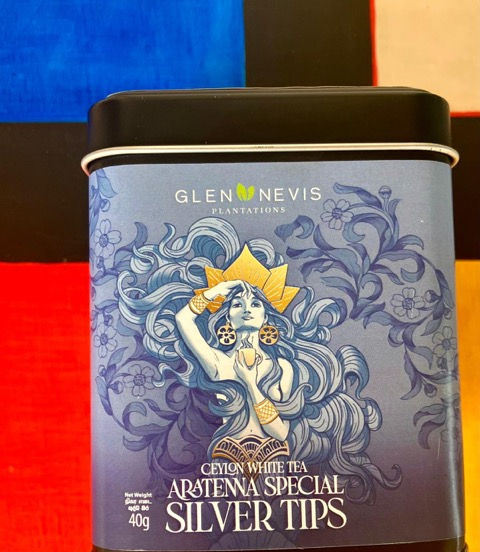
Especially good tea choices during the transition from winter to spring are uplifting, fresh, and floral teas such as the lovely white teas with their honey notes, light green and oolong teas with soft vegetal warmth, and jasmine teas. High-altitude first flush teas from Nepal and Darjeeling, and from the highlands of Sri Lanka, are other excellent choices. Additionally, yellow teas, rooibos, cinnamon, cardamom, and some ginger in moderation will ease the transition from a long, cold winter.
Why is this so?
Traditional Chinese Medicine (TCM) is built around a very practical idea: our body is not separate from the environment. We are made up of the natural elements. And TCM treats the seasons not as something that happens in the background, but as forces that actively shape our energy, mood, digestion, sleep, and illness risk.

TCM exemplifies complexity into patterns you can act on
TCM uses Yin and Yang and the Five Elements to understand the seasons and how it all affects your bodily functions.
Spring → liver/gallbladder → it's all about growth, renewal
Summer → heart/small intestine → activity, heat
Autumn → lungs/large intestine → dryness, grounding, letting go
Winter → kidneys/bladder → rest, conservation, turning inward
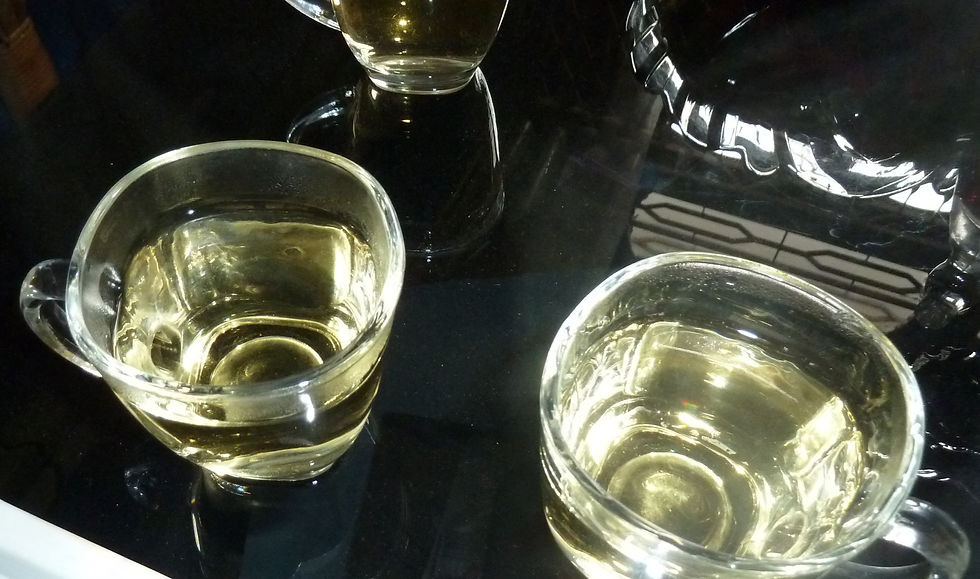
Don't brew your teas too strongly at this time of year. However, a pinch of bitterness is good for spring cleaning the body and helping the liver to clear out. You can combine your teas with flowers, such as rose and jasmine, and spices like cardamom, cinnamon, and a little bit of ginger to support the liver's detoxification/renewal process and promote bile flow to reduce stress and irritation that can otherwise result.

Want to get your hands on some of these teas? Welcome to contact me here or at Långbro Gård in Mölnbo. I will be there the whole day on Sunday, April 26th, from 10:30 am to 3:30 pm. Looking forward to seeing you there and helping you find a suitable tea!

If you long for some really powerful, artisan teas from China, you can purchase them directly from Wild Tea Qi! Shana Zhang, my tea teacher, has written an excellent book that dives deeper into seasonal teas, the seasons, the organs, and the elements. You'll find the book called "Five Elements Tea" here!


Comments